Faith-Focused Design: Working with When God Made Me SVG Files
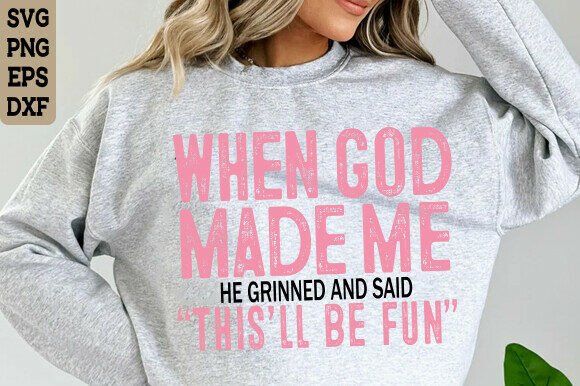
For creators who blend artistry with faith, finding digital assets that resonate spiritually while meeting technical standards is a constant pursuit. You aren't just looking for a pretty picture; you are looking for a statement. When you open a design package labeled "When God Made Me SVG," you are accessing more than just a vector graphic—you are holding a piece of encouragement ready to be shared. Whether you are a small business owner selling faith-based merchandise, a church volunteer creating event materials, or a hobbyist designing a gift for a loved one, the bridge between a digital concept and a physical creation relies entirely on the quality of your files. This specific category of Christian SVG PNG designs taps into a deep well of gratitude and identity, offering a message that resonates with a massive audience seeking to celebrate their God-given uniqueness.
The Anatomy of a High-Quality Digital Download
It is a common frustration in the crafting world: you find a design you love, but the file is a mess. The lines are jagged, the background isn't actually transparent, or the file type isn't compatible with your specific machine. This is why the technical composition of your design assets matters just as much as the visual aesthetic. A professional-grade package for a "When God Made Me" design isn't just one file; it is a suite of tools engineered for versatility.
When you download a zipped folder containing this type of premium font or design, you should expect a specific lineup of file types to ensure you are covered for any project. Here is what a robust package typically includes and why each matters:
- SVG (Scalable Vector Graphics): This is the gold standard for cutting machines. If you are using a Cricut Design Space, Silhouette Designer Edition, or Make The Cut (MTC), the SVG file is what you need. Because it is vector-based, it uses mathematical formulas rather than pixels. You can resize an SVG to fit a small coffee mug or a large wall banner without losing a single ounce of quality. The cut lines remain crisp, ensuring your machine blade follows the exact path intended.
- DXF (Drawing Exchange Format): Not everyone has the upgraded "Designer Edition" of Silhouette software. The DXF file is the bridge for those using Silhouette Basic Edition. It ensures that even entry-level crafters can access the design without needing to upgrade their software immediately, though it is always worth noting that DXF files can sometimes take a bit longer for the machine to process due to how the lines are mapped.
- EPS (Encapsulated PostScript): If you are moving beyond crafting and into professional graphic design, the EPS file is your best friend. This is the vector file used by Adobe Illustrator, CorelDraw, and Inkscape. If you are a designer hired to create a logo or a complex branding element, you will likely need the EPS format to manipulate individual anchor points, change colors, or integrate the typography into a larger corporate identity system.
- PNG (Portable Network Graphics): This is the universal workhorse of the digital world. A high-resolution 300dpi PNG with a transparent background is essential for "print on demand" services and quick digital mockups. Because the background is transparent, you can layer the "When God Made Me" text over photos, textured backgrounds, or colored shapes without the annoying white box surrounding the text. This is perfect for social media graphics or sublimation printing.
Beyond the Cut: Typography and Emotional Connection
When we talk about a "When God Made Me" design, we are often talking about a specific visual style. These designs usually feature a blend of modern typography—perhaps a bold sans-serif for the words "God" and "Me" paired with a flowing script font for the connecting words. This combination is not accidental; it is a deliberate design choice to balance readability with emotional warmth.
For business owners and marketers, understanding this visual language is key to brand recognition. If your brand identity revolves around hope, faith, and encouragement, your typography needs to reflect that. A heavy, industrial font might convey strength, but it lacks the intimacy required for a message about God’s creation. Conversely, a highly decorative handwritten font might be beautiful but fail the readability test on a mobile screen.
Consider how you can use these design assets to improve your visual consistency:
- Brand Identity: If you sell Christian apparel, using a consistent style of SVG across your t-shirts, tote bags, and mugs creates a cohesive collection. Customers should be able to recognize your brand's "voice" just by looking at the lettering style.
- Merchandise and Packaging: Imagine a small candle business. Using a "When God Made Me" SVG on the packaging label adds a layer of purpose to the product. It transforms a generic item into a gift of affirmation.
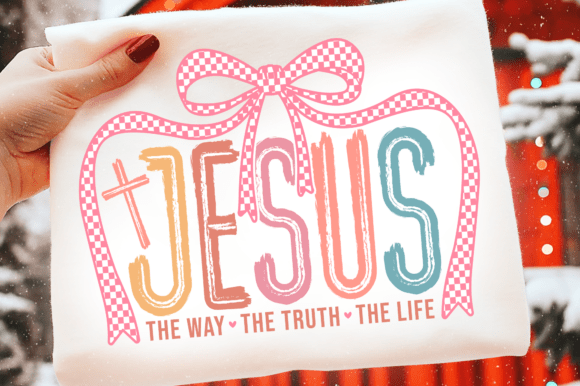
- Editorial and Web Design: For bloggers and content creators, these assets aren't just for print. A high-quality PNG can be used as a featured image for a blog post about self-worth or identity, instantly setting the emotional tone before the reader even scans the first paragraph.
Practical Applications for the Modern Creator
The versatility of a well-made Christian SVG file allows it to live in multiple ecosystems. You are not limited to just one medium. Here is how you can leverage this asset across different platforms to maximize your creative output:
Social Media and Digital Marketing: In the fast-paced world of Instagram and Pinterest, visual engagement is everything. A static text post often gets scrolled past, but a visually striking design—perhaps a "When God Made Me" PNG layered over a video background or a textured paper image—stops the thumb. Use these graphics for "Quote of the Day" posts, story backgrounds, or headers for Facebook groups dedicated to faith and community.
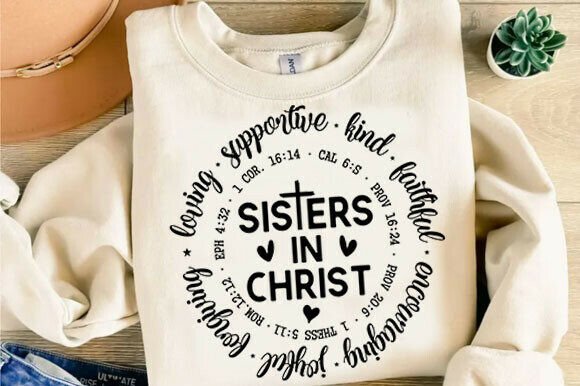
Physical Merchandise: The market for faith-based merchandise is booming, but it is also competitive. To stand out, your designs need to be clean. A jagged pixelated edge on a t-shirt screams "amateur." By using the correct vector file (SVG or EPS), you ensure that whether you are heat pressing vinyl onto a hoodie or engraving wood for a plaque, the result looks store-bought and professional.
Event Decor and Invitations: If you are a planner or a church leader, these files are invaluable for creating custom invitations for women’s retreats, baptisms, or youth group events. Instead of paying a designer for every single variation, you can manipulate the EPS file to change colors to match your event theme, creating a bespoke look for posters, flyers, and table settings.
Smart Design Choices: Readability and Licensing
As you integrate these assets into your workflow, there are two practical considerations that often get overlooked: readability and licensing.
First, readability. When working with script fonts or intricate designs found in SVGs, size matters. A design that looks stunning on a 24-inch monitor might turn into an unreadable blob on a 2-inch hang tag. Always test your designs at the actual size they will be produced. If the loops of the "y" or "g" merge with the letters below them, you need to scale up or choose a bolder typeface. Good design is functional; if the message can't be read, the art fails its purpose.
Second, licensing. This is a critical area for entrepreneurs. When you download a font or a design file, you must understand the difference between personal and commercial use. Most premium design assets allow for commercial use, meaning you can sell the physical items you make with them (like t-shirts or mugs). However, there are usually restrictions. You typically cannot sell the digital file itself—you cannot resell the SVG. Always read the license agreement included in your downloaded folder. Respecting the intellectual property of the designer ensures that the creative community continues to thrive.
Ultimately, a design file like "When God Made Me SVG" is a tool. Like any tool, its value is determined by the skill and intention of the person using it. By choosing high-quality vectors, understanding the nuances of font pairing, and applying the design thoughtfully to your specific niche—whether that is web design, packaging, or social media—you do more than just create a product. You create a visual experience that communicates a powerful message of worth and creation.